Understanding Abhyanga

The Science of Ayurvedic Oil Massage

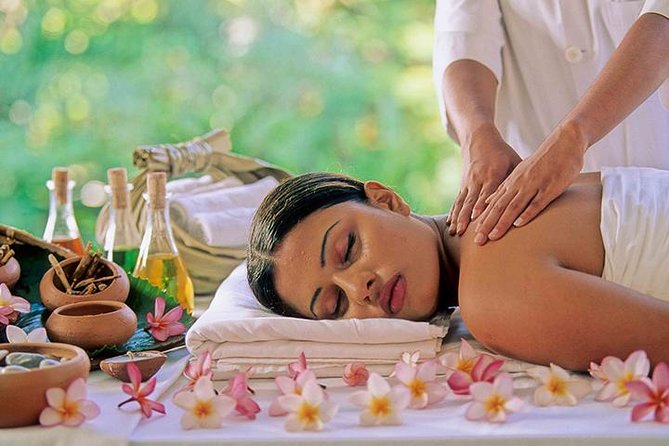
Abhyanga is a full-body warm oil massage — one of the most fundamental and revered therapies in Ayurveda. The word derives from Sanskrit: Abhi (towards) + Anga (limbs/body), meaning application of oil to the entire body with therapeutic strokes and pressure.

Performed with warm medicated oils selected according to your Prakriti (body constitution) and current health condition, Abhyanga nourishes the skin, calms the nervous system, improves lymphatic drainage, and balances all three doshas — Vata, Pitta, and Kapha. It is a pillar of Dinacharya (daily routine) in classical Ayurvedic texts.

Classical Reference

Charaka Samhita states: "Abhyanga should be resorted to daily. It wards off old age, exertion and aggravation of Vata. It bestows good vision, nourishment, long life, good sleep, good skin and strength."
Abhyanga-img

Why Choose Abhyanga?

  • Balances Vata, Pitta & Kapha doshas
  • Deeply nourishes all seven dhatus (tissues)
  • Improves blood and lymphatic circulation
  • Strengthens muscles, joints & bones
  • Promotes restful sleep and mental calm
  • Delays ageing and skin degeneration

Types of Abhyanga

Different approaches tailored to individual needs

Sarvanga Abhyanga

Full-body oil massage covering head to toe. The most comprehensive form offering systemic benefits — improves overall health, balances all doshas, nourishes every tissue, and promotes holistic wellbeing in a single session.

Shiro Abhyanga

Focused head and scalp massage with Brahmi or Bhringraj oil. Relieves headaches, promotes hair growth, calms an overactive mind, improves memory, and induces deep relaxation of the nervous system.

Pada Abhyanga

Therapeutic foot massage. Stimulates marma points (vital energy centres) on the soles, improves sleep quality, reduces cracked heels, eases plantar fasciitis, and calms nervous system through reflex zones.

Hridaya Abhyanga

Chest-focused massage targeting the heart region. Beneficial for cardiac health, reduces anxiety, eases chest tightness, and promotes emotional healing by working on the Anahata chakra and surrounding tissues.

Shishu Abhyanga

Gentle infant massage using mild medicated oils. Strengthens bones, improves digestion, enhances immunity, promotes healthy weight gain, aids sensory development, and improves sleep in newborns and toddlers.

Sports Abhyanga

Deep-tissue sports massage with Mahanarayan or Dhanwantharam oil. Ideal for athletes — relieves muscle soreness, prevents sports injuries, speeds recovery, improves flexibility, and enhances physical performance.

Conditions Treated

Health issues where Abhyanga provides significant relief

Vata Disorders

Dryness, anxiety, insomnia, tremors, stiffness, and all Vata-aggravated conditions

Joint & Muscle Pain

Arthritis, spondylosis, frozen shoulder, muscle cramps, and sports injuries

Insomnia & Stress

Chronic stress, anxiety, fatigue, burnout, and poor sleep quality

Skin Disorders

Dry skin, premature ageing, poor complexion, eczema, and psoriasis

Neurological Issues

Neuropathy, paralysis support, Parkinson's, and peripheral nerve disorders

Circulatory Problems

Poor blood circulation, varicose veins, cold extremities, and lymphedema

Headaches & Migraine

Tension headaches, chronic migraines, and cervicogenic headaches

Women's Health

Menstrual cramps, PCOS, pre/postnatal care, and menopausal discomfort

How Abhyanga Works (Ayurvedic View)

The science behind this ancient healing art

Sneha (Oleation) Action

Warm oil penetrates through the skin (Twak), reaches deeper tissues (Dhatus), and lubricates joints and channels (Srotas). Sneha (oleation) is the primary mechanism that softens, nourishes, and mobilises accumulated toxins (Ama) for elimination.

Swedana (Heat) Effect

Warm oil combined with massage strokes generates therapeutic heat that dilates blood vessels, improves circulation, opens skin pores for deeper absorption, relaxes tense muscles, and stimulates the lymphatic system to drain toxins effectively.

Marma Stimulation

Trained therapists apply specific pressure on 107 Marma points (vital energy junctions) distributed across the body. Stimulating these points unblocks energy flow, restores organ function, balances doshas, and triggers the body's innate healing response.

Herbal Oil Pharmacology

Medicated oils like Dhanwantharam, Mahanarayan, Ksheerabala, and Balashwagandha contain active herbal compounds that absorb transdermally. These botanicals reach target tissues directly, providing anti-inflammatory, analgesic, and rejuvenating effects.

Immune & Ojas Enhancement

Regular Abhyanga builds Ojas — the ultimate essence of all seven dhatus representing vitality, immunity, and radiance. Improved Ojas leads to stronger immunity, better stress resistance, heightened mental clarity, and enhanced overall longevity.

Vata Pacification

Abhyanga is the single most effective therapy for pacifying aggravated Vata dosha. Oil's qualities (unctuous, heavy, warm) are directly opposite to Vata's qualities (dry, light, cold), thereby bringing Vata into balance and resolving all Vata-related disorders.

Our Abhyanga Treatment Protocol

Step-by-step process for maximum therapeutic benefit

1

Prakriti & Dosha Assessment

Every Abhyanga session begins with a detailed Ayurvedic consultation. Our Vaidya assesses your Prakriti (body constitution), current Vikruti (imbalance), health history, skin type, digestive strength (Agni), and specific complaints. Pulse diagnosis (Nadi Pariksha) helps identify the dominant dosha imbalance. This assessment determines the most suitable medicated oil, massage strokes, pressure level, duration, and pre/post-therapy recommendations tailored exclusively for you.

2

Personalised Oil Selection & Preparation

Based on consultation findings, our pharmacy prepares your personalised oil blend. Vata types receive Dhanwantharam or Sesame-based oils; Pitta types get Chandanabalalakshadi or Coconut-based cooling oils; Kapha types use Mahanarayan with lighter carrier oils. Oils are gently heated to body temperature (around 40°C) in a traditional copper or brass vessel to activate herbal compounds and enhance transdermal absorption without degrading thermolabile constituents.

3

Synchronized Massage by Expert Therapists

Two trained therapists work in perfect synchrony — a hallmark of classical Ayurvedic Abhyanga. Beginning at the head and scalp, they work systematically downward: neck, shoulders, arms, chest, abdomen, back, hips, thighs, calves, and feet. Specific strokes — effleurage over long bones, circular motions over joints, gentle tapping over organs, and deep pressure on marma points — are applied with precise rhythm. Duration is 45–60 minutes. The entire process is meditative, calm, and deeply therapeutic.

4

Post-Massage Swedana (Steam Therapy)

Immediately following Abhyanga, the patient is transferred to the Swedana (steam) chamber where medicated herbal steam is applied for 10–15 minutes. This step is crucial — the steam opens skin pores, drives the medicinal oil deeper into tissues, mobilises Ama (toxins) for elimination, relieves any remaining stiffness, and enhances the oil's therapeutic action manifold. Swedana completes the Snehana-Swedana pair that is the foundation of Panchakarma preparatory therapy.

5

Herbal Bath & Rest Protocol

After Swedana, patients bathe with warm water and herbal powders (Udvartana powders or Triphala) to gently cleanse without stripping the residual oil from skin. Patients then rest for 30 minutes in a warm, quiet environment to allow the body to integrate the treatment effects. Our Vaidya provides post-therapy dietary and lifestyle guidelines — what to eat, activities to avoid, rest recommendations, and daily home oil massage instructions to sustain the therapeutic benefits between clinic sessions.

6

Therapeutic Course Planning

A single Abhyanga session provides immediate relief, but lasting transformation requires a complete course. For general wellness and prevention, we recommend 7–14 sessions. For chronic conditions like arthritis, neurological disorders, or paralysis, 21–28 consecutive daily sessions (a full Panchakarma preparation course) is prescribed. Follow-up sessions every 2–4 weeks maintain benefits. Our team creates a personalised maintenance plan with home care practices, dietary modifications, herbal supplements, and seasonal therapy recommendations to sustain your health throughout the year.

Oils Used in Abhyanga

Carefully selected medicated oils for every condition

Dhanwantharam Oil

The classic Vata-balancing oil. Prepared with Bala, Ashwagandha, and 30+ herbs in sesame base. The gold standard for neurological conditions.

  • Paralysis & neuropathy
  • Joint pain & arthritis
  • Post-delivery care
  • Muscle weakness

Mahanarayan Oil

Powerful musculoskeletal oil with Ashwagandha, Shatavari, and aromatic herbs. Best for sports injuries and chronic pain.

  • Muscle & joint stiffness
  • Spondylosis & sciatica
  • Sports injuries
  • Frozen shoulder

Ksheerabala Oil

Milk-processed Bala oil with superior nerve-nourishing properties. Ideal for sensitive patients and advanced neurological conditions.

  • Nerve degeneration
  • Sensitive Pitta types
  • Facial paralysis
  • Elderly care

Chandanabalalakshadi

Cooling sandalwood-based oil for Pitta-dominant conditions. Relieves inflammation, burning sensations, and skin conditions.

  • Inflammatory conditions
  • Burning sensations
  • Skin diseases
  • Pitta imbalance

Brahmi Oil

Pure Brahmi-infused oil for Shiro Abhyanga (head massage). Exceptional for mental health, memory, hair growth, and stress relief.

  • Stress & anxiety
  • Memory & focus
  • Hair loss & greying
  • Insomnia

Murivenna Oil

Traditional Kerala injury oil with rapid healing properties. Used for fresh injuries, fractures, swelling, and traumatic conditions.

  • Fractures & sprains
  • Swelling & bruising
  • Post-surgical care
  • Wound healing

Benefits of Regular Abhyanga

Transformative healing through the ancient art of touch

Glowing, Youthful Skin

Deep oleation nourishes all seven layers of skin (Sapta Tvak). Improves texture, elasticity, complexion, and delays visible signs of ageing naturally.

Stronger Immunity

Builds Ojas — Ayurveda's concept of vital immunity. Regular sessions significantly increase the body's resistance to infections, stress, and environmental toxins.

Deep, Restful Sleep

Calms the nervous system and activates parasympathetic response. Patients report dramatic improvements in sleep quality, duration, and morning energy.

Enhanced Strength & Stamina

Nourishes Mamsa (muscle) and Asthi (bone) dhatus. Athletes and active individuals experience improved performance, faster recovery, and injury resilience.

Detoxification Support

Mobilises Ama (metabolic toxins) from deep tissues into the GI tract for elimination. Best combined with Virechana or Basti Panchakarma for complete detox.

Mental Clarity & Calm

Releases endorphins, reduces cortisol, and nourishes Majja dhatu (nervous tissue). Relieves anxiety, mental fatigue, and emotional turbulence profoundly.

Key Herbs in Abhyanga Oils

Nature's healing compounds delivered through the skin

🌿

Bala

(Sida cordifolia)

The supreme muscle and nerve strengthener. Present in almost every Abhyanga oil — nourishes muscles, promotes nerve conduction, builds Ojas, and has rejuvenating Rasayana properties.

🍃

Ashwagandha

(Withania somnifera)

Adaptogenic nerve tonic. When infused in oil, penetrates deeply to reduce muscle inflammation, rebuild strength, combat stress hormones, and support neuromuscular healing.

🌸

Shatavari

(Asparagus racemosus)

Hormonal balancer and Pitta pacifier. Used in women's Abhyanga oils — nourishes reproductive tissues, balances hormones, soothes inflammation, and improves skin health.

🌾

Devadaru

(Cedrus deodara)

Potent anti-inflammatory and Kapha-reducing herb. Used in pain-relief oils — penetrates joints to reduce swelling, dissolves Kapha accumulation, and provides analgesic relief.

Diet & Lifestyle During Abhyanga Course

Maximise therapeutic benefits with proper diet

Avoid During Course

  • Cold, raw, and refrigerated foods
  • Heavy fried and oily junk food
  • Excessive physical exertion
  • Cold water baths immediately after
  • Alcohol and tobacco
  • Late night meals and sleep
  • Excessive screen time
  • Fasting or skipping meals
  • Air travel within 24 hrs of session
  • Exposure to cold wind or rain

Experience the Ancient Healing of Abhyanga

Book your personalised oil massage session with our expert Ayurvedic therapists today