जलौकावचारण — रक्त शोधन की प्राचीन विज्ञान
Leech Therapy (Jalaukavacharana in Sanskrit) is one of the most clinically validated therapies in Ayurveda, practised for over 3,000 years and now recognised by WHO as a legitimate medical treatment. Sushruta Samhita — the world's first surgical text — dedicates extensive chapters to Jalaukavacharana as the safest method of bloodletting (Raktamokshana) for Pitta disorders.
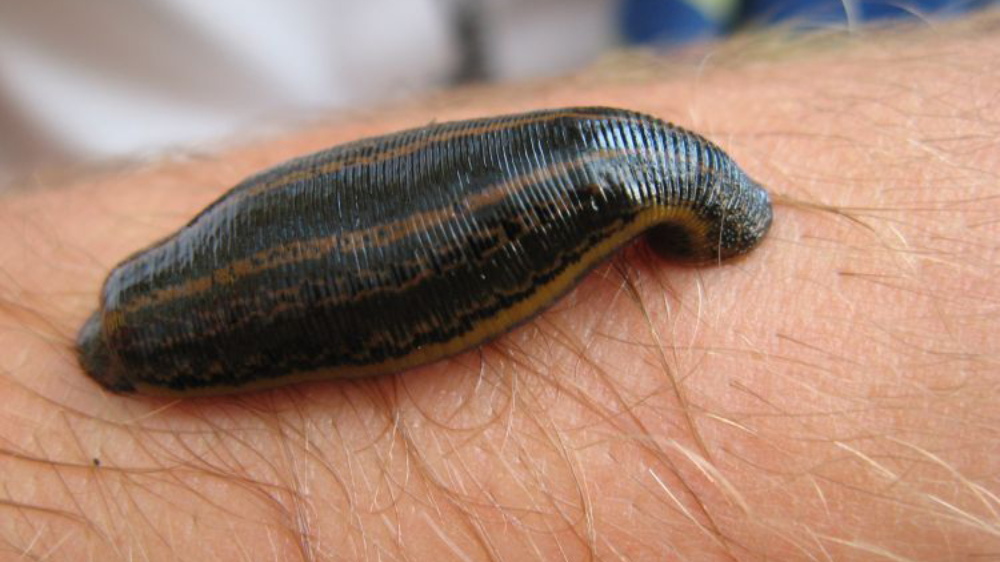
Medical-grade leeches (Hirudo medicinalis) used in therapy secrete over 100 bioactive compounds in their saliva — including hirudin (anticoagulant), hyaluronidase (tissue penetrant), vasodilators, anaesthetics, and anti-inflammatory enzymes. These compounds create a profound local and systemic therapeutic effect far beyond simple bloodletting.
The FDA approved medical leeches as Class II medical devices in 2004. Leech therapy is now routinely used in reconstructive microsurgery worldwide for venous congestion, with peer-reviewed studies confirming efficacy in osteoarthritis, varicose veins, and skin conditions.
Targeted applications for different conditions and body areas
Leeches applied over joints — knees, hips, elbows, and spine. The saliva's anti-inflammatory compounds reduce joint swelling and cartilage-degrading enzymes. Highly effective for osteoarthritis, providing relief comparable to NSAIDs without side effects.
Applied around affected skin areas for psoriasis, eczema, chronic urticaria, and non-healing wounds. Removes toxic blood (Dushta Rakta) from the skin's local circulation, dramatically reducing inflammation and promoting healthy tissue regeneration.
Applied along varicose veins, haemorrhoids, and areas of venous congestion. Hirudin and vasodilatory compounds dissolve blood stasis, reduce vessel wall inflammation, and restore healthy venous circulation effectively without surgery.
Carefully applied near the periorbital region for eye conditions including glaucoma, retinal vascular disorders, optic nerve congestion, and corneal conditions. Requires highly specialised training and is performed only by experienced Shalya practitioners.
Applied behind the ears, on the scalp, or facial areas for migraine, headaches, facial paralysis, Bell's Palsy, scalp conditions, and hair loss. Dramatically improves microcirculation in the craniofacial region with visible results.
Used in reconstructive surgery globally for venous congestion in flaps and reattached digits. Prevents tissue necrosis by relieving venous stasis where microsurgical anastomosis is insufficient. Internationally recognised clinical application.
Remarkable range of conditions responding to Jalaukavacharana
Knee, hip, and joint arthritis with pain and swelling — validated in multiple clinical trials
Chronic, treatment-resistant skin conditions showing excellent response to blood purification
Venous insufficiency, varicose ulcers, and chronic venous congestion of the legs
Cystic acne, furuncles, carbuncles, and recurrent skin infections caused by toxic blood
Pitta-type migraines, chronic headaches, and conditions with cranial vascular congestion
Internal and external piles with pain, bleeding, and venous congestion in the rectal area
Diabetic foot ulcers, chronic wounds, and post-surgical wounds with poor healing
Glaucoma, eye congestion, tinnitus, and ENT disorders with vascular component
The remarkable biochemistry of leech saliva
Hirudin is the most potent natural anticoagulant known. It binds thrombin directly, preventing clot formation and dissolving existing microthrombi. This action improves microcirculation, restores blood flow to congested tissues, and prevents ischaemic damage in conditions with vascular compromise.
Leech saliva contains destabilase, hyaluronidase, collagenase, and eglin — enzymes that inhibit prostaglandin synthesis and cytokine release. These produce profound local anti-inflammatory effects comparable to corticosteroids but without systemic side effects, explaining leech therapy's efficacy in arthritis and inflammatory skin conditions.
Acetylcholine and carboxypeptidase A inhibitors in leech saliva cause vasodilation and improved arteriolar flow for hours after the leech is removed. This sustained improvement in local microcirculation delivers oxygen and nutrients to previously ischaemic tissues, promoting healing and resolution of chronic disease states.
In Ayurvedic terms, leeches selectively remove Dushta Rakta — toxin-laden, Pitta-vitiated blood — from local circulation. Sushruta identified that leeches naturally prefer this toxic blood and avoid healthy blood, making them a highly selective purification tool without disturbing healthy tissue or blood components.
Leech saliva contains local anaesthetics including calin and hirudin peptides that numb the bite site — which is why patients often feel minimal pain. Additionally, bradykinin inhibitors in the saliva reduce the perception of chronic pain pathways, providing analgesic relief lasting well beyond the therapy session.
Enzymes including destabilase and lysozyme in leech saliva break down bacterial biofilms on chronic wounds and ulcers — a major barrier to wound healing. The antimicrobial compounds prevent secondary infection, making leech therapy particularly valuable for diabetic foot ulcers and non-healing wounds unresponsive to conventional treatment.
Safe, sterile, and scientifically administered Jalaukavacharana
A comprehensive evaluation confirms suitability for leech therapy. Our Vaidya reviews medical history, current blood-thinning medications (anticoagulants are a contraindication), haemoglobin levels (anaemia is a contraindication), bleeding disorders, immune status, skin condition, and specific disease presentation. Pitta assessment identifies candidates most likely to benefit. Contraindications are carefully screened: coagulation disorders, severe anaemia, haemophilia, HIV/AIDS, immunosuppressed states, active skin infections, and allergy history are assessed. Informed consent is obtained and all procedural details explained thoroughly.
We use certified Hirudo medicinalis (medicinal leeches) sourced from authorised medical leech farms and verified for species authenticity. Before application, leeches are kept in clean water for 24 hours without food (fasting enhances their therapeutic appetite). Each leech is used only once — a strict single-use protocol — ensuring no cross-contamination between patients. Leeches are visually inspected for activity, size (appropriate to treatment area), and health. Unhealthy or lethargic leeches are not used. Application site on the patient is cleaned with clean water only (no antiseptics which repel leeches).
The treatment area is cleaned with plain warm water. Leeches are placed in a small container over the selected treatment site or applied directly with gloved hands. They spontaneously attach to skin where Dushta Rakta is concentrated. Patients typically feel only a mild tingling or nothing at all due to the anaesthetic compounds. Number of leeches per session varies: 2–6 for small areas, up to 10–12 for larger joint areas. Once attached, leeches are left undisturbed for 30–60 minutes while the therapist observes. Leeches naturally detach when satiated — forced removal is avoided as it causes wound trauma.
After leeches detach, the bite sites continue to bleed (due to residual hirudin) for 4–8 hours — this controlled bleeding is therapeutic and expected. Wound sites are dressed with sterile gauze and light bandaging. Turmeric powder may be applied to the wound — its antiseptic properties prevent infection while allowing continued therapeutic bleeding. Patients are monitored for 30–60 minutes post-procedure. Total blood loss per session is measured (typically 5–15 ml per leech) to ensure safety. Patients with anaemia receive post-procedure dietary iron supplementation.
Patients rest for 30–60 minutes post-procedure and are given warm, light food to prevent dizziness from blood loss. Wound sites should remain dry for 24 hours. Specific dietary instructions prevent Pitta aggravation (avoiding spicy, sour, hot foods). Mild itching at bite sites over 2–3 days is normal due to residual salivary compounds and should not be scratched. Our Vaidya contacts patients 24–48 hours post-procedure to check for adverse reactions including excessive bleeding, allergic response, or infection signs. Emergency contact numbers are provided for peace of mind.
Session frequency depends on the condition. For osteoarthritis, 3–5 sessions at weekly intervals typically provide sustained relief. For skin conditions, weekly sessions for 4–8 weeks are prescribed. Acute conditions (haemorrhoids, abscesses) may require only 1–2 sessions. Chronic systemic conditions (psoriasis, varicose veins) require longer courses of 10–12 sessions over 2–3 months. Sessions are combined with Pitta-pacifying internal medicines, dietary modifications, and other Raktamokshana procedures as appropriate. Annual maintenance courses are recommended for chronic conditions to prevent recurrence of blood toxicity.
Ancient wisdom now confirmed by modern science
Most patients experience significant pain reduction within 24–48 hours of the first session. Anti-inflammatory enzymes and improved microcirculation address both the cause and sensation of chronic pain.
Dramatic improvement in psoriasis, eczema, acne, and chronic skin conditions. Blood purification at the source resolves what topical treatments only suppress — lasting clearance of skin diseases.
Reduces venous congestion, relieves pain and heaviness in varicose legs, improves venous return, and heals varicose ulcers — avoiding the need for surgical stripping in many cases.
Clinical studies confirm significant improvement in knee osteoarthritis — reduced pain, swelling, and improved function. The anti-inflammatory enzymes protect remaining cartilage from further degradation.
Non-healing diabetic wounds and chronic ulcers show remarkable healing with leech therapy. Biofilm disruption, antimicrobial action, and improved microcirculation create the optimal wound healing environment.
Far safer than long-term NSAIDs (no GI damage, renal effects) or corticosteroids (no immunosuppression, weight gain). Minor scarring at bite sites may occur but usually fades within months.
Internal medicines prescribed alongside Leech Therapy
(Rubia cordifolia)
The foremost Raktashodhaka (blood purifying) herb in Ayurveda. Works synergistically with leech therapy to purify blood at a systemic level, remove Pitta toxins, improve skin complexion, and treat chronic inflammatory skin conditions.
(Azadirachta indica)
Powerful blood purifier and antimicrobial herb. Removes Pitta-toxic compounds from blood, treats skin infections and chronic skin diseases. Neem oil is also applied topically around leech bite sites to prevent infection.
(Tinospora cordifolia)
Immunomodulator and blood purifier used alongside leech therapy. Reduces systemic inflammation, modulates autoimmune activity in conditions like psoriasis and rheumatoid arthritis, and supports liver function to process purified blood.
(Curcuma longa)
Turmeric — applied as wound dressing after leech therapy for its antiseptic, anti-inflammatory, and wound healing properties. Also taken internally as Haridra Ksheer (turmeric milk) to support blood purification and reduce post-procedure inflammation.
Essential Pitta-pacifying diet to enhance blood purification
Consult our specialists for safe, effective Leech Therapy — 3,000 years of results, confirmed by modern science