Understanding Nasya

Nasal Route to the Brain — The Shiro-Virechana

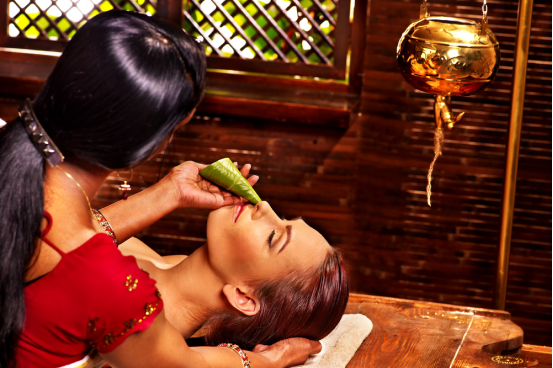
Nasya is the Panchakarma therapy of administering medicated oils, herbal juices, or powders through the nasal passages. In Ayurveda, the nose is declared "Shirasya Dvaaram" — the gateway to the head. The nasal route provides the most direct access to the brain and entire cephalic region without the barriers of systemic circulation.

Acharya Charaka emphasises: "Nasa hi Shiraso Dwaram" — the nose is the door of the head. Medicated preparations administered nasally travel along the olfactory nerve pathways directly to the cerebral cortex, hypothalamus, and limbic system — influencing brain chemistry, sinus health, cranial nerve function, and all diseases of the head and neck region comprehensively.

The Direct Brain Route

Modern neuroscience confirms the nose's unique "olfactory-brain highway" — medicated substances administered intranasally bypass the blood-brain barrier and reach the central nervous system faster and at higher concentrations than oral medications. This validates Ayurveda's 5,000-year-old understanding of nasal drug delivery.
nasya-img

Why Choose Nasya?

  • Direct access to brain and cranial nerves
  • Clears all diseases above the shoulders
  • Improves vision, hearing, taste and smell
  • Treats chronic sinusitis and nasal disorders
  • Reverses facial paralysis and Bell's Palsy
  • Calms the mind and improves clarity

Types of Nasya

Six classical Nasya preparations for every condition

Snehana Nasya (Oil)

Medicated oils (Anu Taila, Ksheerabala, Brahmi oil) instilled in the nose. The most commonly prescribed Nasya — nourishes the mucosa, pacifies Vata, and delivers herbal compounds to the brain. Used for dryness, neurological conditions, and as daily preventive practice.

Virechana Nasya (Cleansing)

Herbal powders (Vacha, Pippali, Maricha) or strong decoctions that cause sneezing and forceful expulsion of Kapha from the sinuses. Most effective for Kapha-predominant conditions — sinusitis, nasal polyps, chronic headaches, and mental dullness.

Shamana Nasya (Palliating)

Mild medicated preparations that neither strongly cleanse nor strongly nourish, but balance and calm. Used for conditions of middle severity and as maintenance therapy. Decoctions of Brahmi, Shatavari, or medicated ghee preparations fall in this category.

Brumhana Nasya (Nourishing)

Highly nourishing preparations — Ghee medicated with Ashwagandha, Shatavari, or gold for depleted, debilitated conditions. Prescribed for Vata disorders with significant weakness, emaciation, neurological degeneration, memory loss, and in post-illness recovery.

Pratimarsha Nasya

Daily preventive Nasya — 2 drops of Anu Taila in each nostril every morning after brushing teeth. Safe for daily self-administration throughout life. Prevents all diseases of the head region, maintains sharp senses, and is a pillar of Ayurvedic Dinacharya (daily routine).

Dhumapana (Herbal Smoke)

Medicated herbal cigarettes or incense inhaled through the nose. Effectively clears excess Kapha from sinuses, bronchial passages, and the head region. Specifically indicated for chronic rhinitis, hoarseness of voice, and Kapha-type headaches with mucus congestion.

Conditions Treated by Nasya

All diseases above the clavicle respond to Nasya

Sinusitis & Allergies

Chronic sinusitis, allergic rhinitis, nasal polyps, and seasonal allergies

Migraine & Headache

Chronic migraines, cluster headaches, sinus headaches, and facial pain syndromes

Facial Paralysis

Bell's Palsy, facial nerve palsy, and post-stroke facial weakness

Eye Disorders

Dry eyes, watering eyes, ptosis, optic nerve conditions, and eye strain

Ear Disorders

Tinnitus, hearing loss, Eustachian tube dysfunction, and ear congestion

Speech & Voice

Hoarseness, vocal cord disorders, stammering, and speech difficulties

Cognitive Decline

Memory loss, brain fog, early dementia support, and age-related cognitive decline

Cervical Spondylosis

Neck stiffness, cervical disc disease, and upper limb numbness from cervical origin

How Nasya Works

The olfactory highway — from nose to brain

Olfactory Nerve Pathway

The olfactory epithelium in the nasal roof is the only place in the body where neurons directly contact the external environment. Medicated preparations reach the olfactory bulb and travel directly to the limbic system, hypothalamus, and cerebral cortex within minutes — bypassing the blood-brain barrier that blocks most systemic drugs from reaching the brain.

Nasal Mucosal Absorption

The nasal mucosa has exceptionally high vascularity and permeability. Lipid-soluble compounds in medicated oils are absorbed within minutes into the rich submucosal venous plexus and travel via the cavernous sinus directly to the cranial blood supply — delivering herbal compounds to the brain, pituitary gland, and cranial nerves without systemic dilution.

Prana Vata Regulation

The nose is the primary inlet for Prana — the life force. All Prana Vata (the subtype governing brain, senses, and respiration) enters through the nasal passages. Nasya directly regulates Prana Vata, which in turn governs all sensory organ function, mental processes, and cranial nerve activity. This is why Nasya is uniquely effective for all head and sense organ diseases.

Sinus Drainage Mechanism

Virechana Nasya preparations stimulate the nasal mucosa, triggering sneezing reflexes that forcefully expel accumulated Kapha (mucus, toxins) from the paranasal sinuses — including the normally inaccessible sphenoid and ethmoid sinuses. This mechanical drainage combined with antimicrobial herbal compounds resolves chronic sinusitis more effectively than antibiotics alone.

Cranial Nerve Stimulation

The twelve cranial nerves emerge from the base of the brain and pass through or near the nasal and sinus cavities. Nasya preparations reach these nerves directly, stimulating regeneration in damaged cranial nerves — explaining the remarkable results in facial paralysis (VII), eye conditions (II, III), hearing disorders (VIII), and voice conditions (X cranial nerve).

Hypothalamic-Pituitary Influence

The close anatomical relationship between the nasal cavity roof and the pituitary gland (master endocrine gland) allows Nasya preparations to influence hormonal regulation. Herbal compounds reaching the hypothalamic-pituitary axis can modulate thyroid function, adrenal response, reproductive hormones, and growth hormone — explaining Nasya's effectiveness in hormonal and metabolic conditions.

Our Nasya Treatment Protocol

A precisely administered journey from nose to healing

1

Head & Neck Evaluation

Comprehensive assessment of all diseases above the clavicle. Our Vaidya evaluates nasal passages (structural and functional), sinus condition, cranial nerve function, vision and hearing acuity, speech clarity, neck range of motion, and neurological signs. Nadi Pariksha identifies the dominant dosha in the cephalic region. Photographs are taken for facial paralysis cases to track recovery. Absolute contraindications — acute nasal bleeding, recent nasal surgery, pregnancy (specific Nasya types), acute fever — are screened. The specific Nasya type, preparation, dose (number of drops), temperature, and course duration are determined precisely for your condition.

2

Poorvakarma — Pre-Nasya Preparation

The head, face, and neck receive a thorough oil massage (Abhyanga) for 10–15 minutes using medicated oils — Bala Taila for neurological Nasya, Chandanadi Taila for Pitta, or Karpasasthyadi Taila for cervical conditions. This is followed by local steam fomentation (Nadi Sweda) to the face and sinuses using herbal steam or a hot towel — opening the nasal passages, relaxing the sinuses, and enhancing the subsequent absorption of Nasya preparations. Poorvakarma is not optional; skipping it reduces Nasya efficacy by 40–50% according to classical texts. The patient then lies in the supine position with the head tilted back 45 degrees on a special Nasya table.

3

Nasya Administration

The medicated preparation (warmed to body temperature for oil Nasya) is instilled using a sterile dropper — 2 to 8 drops per nostril depending on the Nasya type and condition severity. The patient breathes normally while the therapist gently massages the sides of the nose, sinus areas, and base of the skull to encourage distribution. The patient remains in the reclined position for 2–5 minutes to allow the preparation to reach the nasopharynx and upper nasal passages. The procedure is performed in both nostrils unless specific unilateral conditions (one-sided facial paralysis) require unilateral application. The therapist's observations of nasal response guide dosage adjustments.

4

Kavala (Gargling) & Dhumapana

After Nasya, the patient garlands (spits out, does not swallow) with warm sesame oil or herbal decoction — Kavala Graha — for 2–3 minutes. This removes any Nasya preparation that drains into the throat, prevents accidental ingestion, lubricates the throat, and addresses any voice or throat conditions simultaneously. Dhumapana (medicated herbal cigarette inhalation through the nose) may follow for Kapha-dominant cases — the herbal smoke further clears residual Kapha from the upper respiratory tract. The patient then rests in a warm room for 15–20 minutes, protected from cold air or draughts during this critical absorption phase.

5

Post-Nasya Rest & Diet

Patients are advised to avoid cold exposure for the remainder of the day post-Nasya — no cold drinks, cold food, cold water head bath, or air conditioning directly on the face. Warm herbal tea (Brahmi-Tulsi combination for neurological Nasya, or Trikatu tea for Kapha Nasya) is provided immediately after. Light, warm meals are recommended. Nasal inhalation of steam from hot water with Eucalyptus or Ajwain is encouraged at home in the evening to sustain the sinus-opening effect. Specific Pratimarsha Nasya (2 drops at home each morning) is prescribed for daily maintenance between full clinic sessions.

6

Course Duration & Results

Classical Nasya courses include 7-day (Saptaha), 14-day, and 21-day courses — administered once daily in the morning (the optimal time for Nasya when Kapha is dominant). For sinusitis and allergies, 7–14 sessions typically achieve significant clearance. Facial paralysis and neurological conditions require 21–28 sessions as part of comprehensive Panchakarma. Pratimarsha Nasya (preventive daily drops) is continued indefinitely as part of daily routine. Seasonal Nasya courses — especially during Vasanta (spring) and Sharad (autumn) — prevent recurrence of sinus and head conditions. Combined with internal Nasya-supporting medicines (Shadbindu Taila internally, Haridrakhand for sinusitis), results are comprehensive and long-lasting.

Nasya Preparations We Use

Classical formulations for every head and neck condition

Anu Taila

The classic Nasya oil — 28 herb formulation in sesame and sesame oil base. The most versatile and widely prescribed Nasya oil for daily preventive use and most head conditions.

  • Daily preventive Nasya
  • General head conditions
  • Sinusitis & allergies
  • Eye & ear health

Ksheerabala Taila

Milk-processed Bala oil — superior nourishment for neurological Nasya. Prescribed for facial paralysis, Bell's Palsy, trigeminal neuralgia, and craniofacial nerve conditions requiring deep nourishment.

  • Facial paralysis
  • Trigeminal neuralgia
  • Post-stroke face weakness
  • Nerve regeneration

Brahmi Ghee

Brahmi-processed clarified butter for Brumhana Nasya. Deeply nourishes the brain, improves memory, reduces anxiety and depression, and supports cognitive function in the elderly.

  • Memory loss & dementia
  • Anxiety & depression
  • Insomnia
  • Cognitive decline

Vacha Churna Nasya

Acorus calamus powder for Virechana (cleansing) Nasya. Forcefully expels Kapha from sinuses, clears mental dullness, and stimulates the brain. Used for Kapha-predominant conditions and mental sluggishness.

  • Nasal polyps
  • Chronic sinusitis
  • Mental dullness
  • Excess Kapha in head

Shadbindu Taila

Classical Nasya oil with Tila, Bala, Rasna, and 6 other herbs. Particularly effective for cervical spondylosis-related headaches, stiff neck, and neurological conditions originating from the cervical region.

  • Cervical spondylosis
  • Neck stiffness
  • Occipital headaches
  • Upper limb numbness

Cow's Ghee (Siddha)

Plain or medicated cow's ghee Nasya for acute conditions — fresh nasal bleeding (Nasya paradoxically helps recurrent epistaxis), extreme dryness, burning in nasal passages, and as a pacifying emergency Nasya.

  • Recurrent nosebleeds
  • Nasal dryness & crusting
  • Pitta-type head conditions
  • Acute Vata aggravation

Benefits of Nasya Therapy

The nose is the door — Nasya unlocks total head health

Chronic Sinusitis Relief

Resolves chronic sinusitis that antibiotics cannot cure. Clears accumulated mucus, reduces sinus mucosal inflammation, shrinks polyps, and restores normal sinus drainage — often permanently after a complete course.

Facial Paralysis Recovery

Combined with Potli Therapy, Nasya is the most effective Ayurvedic treatment for Bell's Palsy. Direct access to facial cranial nerves via the nasal route accelerates nerve regeneration and muscle function recovery.

Improved Vision & Senses

Regular Nasya with Anu Taila maintains and improves vision clarity, hearing acuity, smell, and taste. The nose-sense organ connection makes Nasya uniquely effective for preserving all five senses with ageing.

Memory & Brain Health

Brahmi Ghee and medicated oil Nasya directly nourish brain tissue, enhance synaptic function, and improve memory consolidation. Studied in early Alzheimer's and age-related cognitive decline with promising results.

Cervical Pain Relief

Shadbindu Taila Nasya is remarkably effective for cervical spondylosis — reducing neck stiffness, occipital headaches, and upper limb numbness by addressing the neurological root in the cervical-cranial region.

Preventive Health

Daily Pratimarsha Nasya prevents most head and neck diseases. Acts as a daily shield against pollution, pathogens, and allergens entering through the nasal route — Ayurveda's original air purification for the nasal passages.

Key Herbs in Nasya Preparations

Herbs specifically indicated for head, brain, and sense organs

🌿

Brahmi

(Bacopa monnieri)

Supreme brain herb for Brumhana Nasya. When processed into ghee and administered nasally, directly reaches the cerebral cortex to enhance memory, reduce anxiety, and nourish nervous tissue — the fastest route to brain benefits.

🌱

Vacha

(Acorus calamus)

The primary Nasya herb for Virechana (cleansing). Pungent volatile oils in Vacha stimulate nasal mucosa, cause therapeutic sneezing, expel Kapha, clear mental fog, and improve speech and vocal clarity powerfully.

🌾

Bala

(Sida cordifolia)

Primary nerve-nourishing herb in Snehana Nasya oils for cranial nerve conditions. Ksheerabala Taila (Bala in milk base) is the most effective preparation for facial paralysis, restoring nerve function via the direct nasal-nerve pathway.

🌸

Haridra

(Curcuma longa)

Turmeric-based Nasya for sinusitis and allergic rhinitis. Curcumin's anti-inflammatory and antimicrobial properties are delivered directly to the nasal mucosa. Used in both oil preparations and as Haridrakhand internally alongside Nasya for complete sinusitis management.

Diet & Lifestyle During Nasya Course

Protect your head — dietary rules for maximum Nasya benefit

Strictly Avoid

  • Cold drinks and cold food
  • Cold water head bath on session days
  • Ice cream, curd, and cold dairy
  • Banana and heavy fruits
  • Air conditioning directed at the face
  • Dusty or smoky environments
  • Swimming during the Nasya course
  • Suppression of natural urges (sneezing, etc.)
  • Alcohol (constricts nasal blood vessels)
  • Tobacco in any form

Open the Gateway — Heal with Nasya

From sinusitis to brain health — Nasya offers the most direct path to healing the head